01
Upload
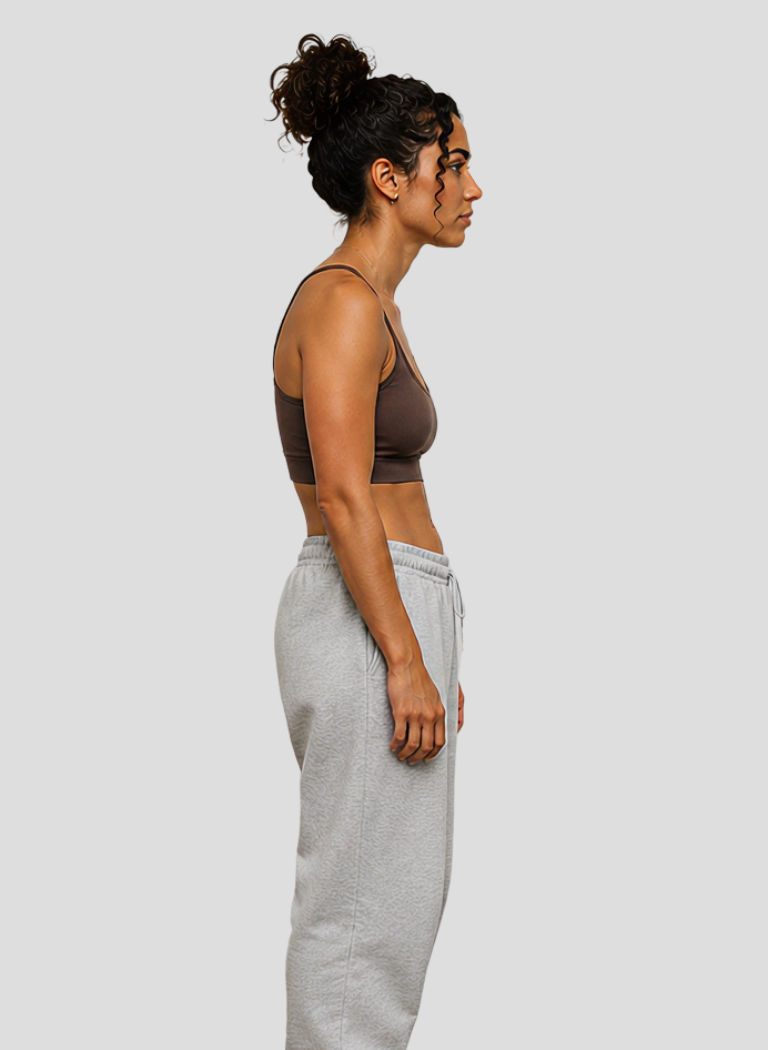
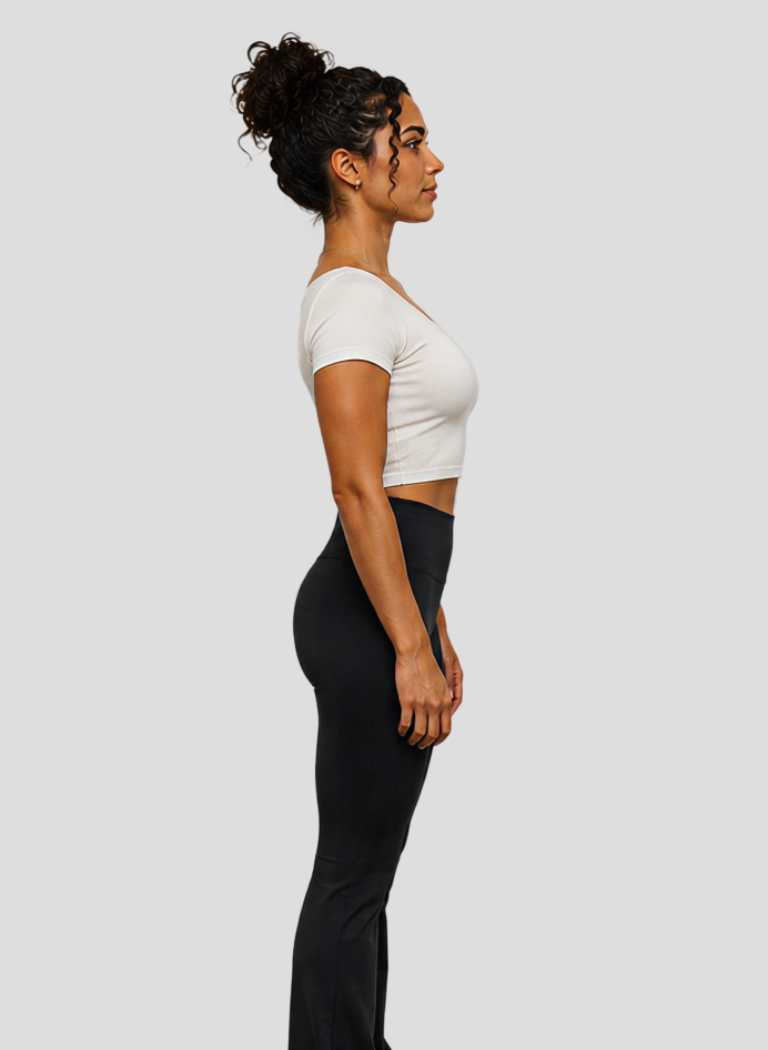
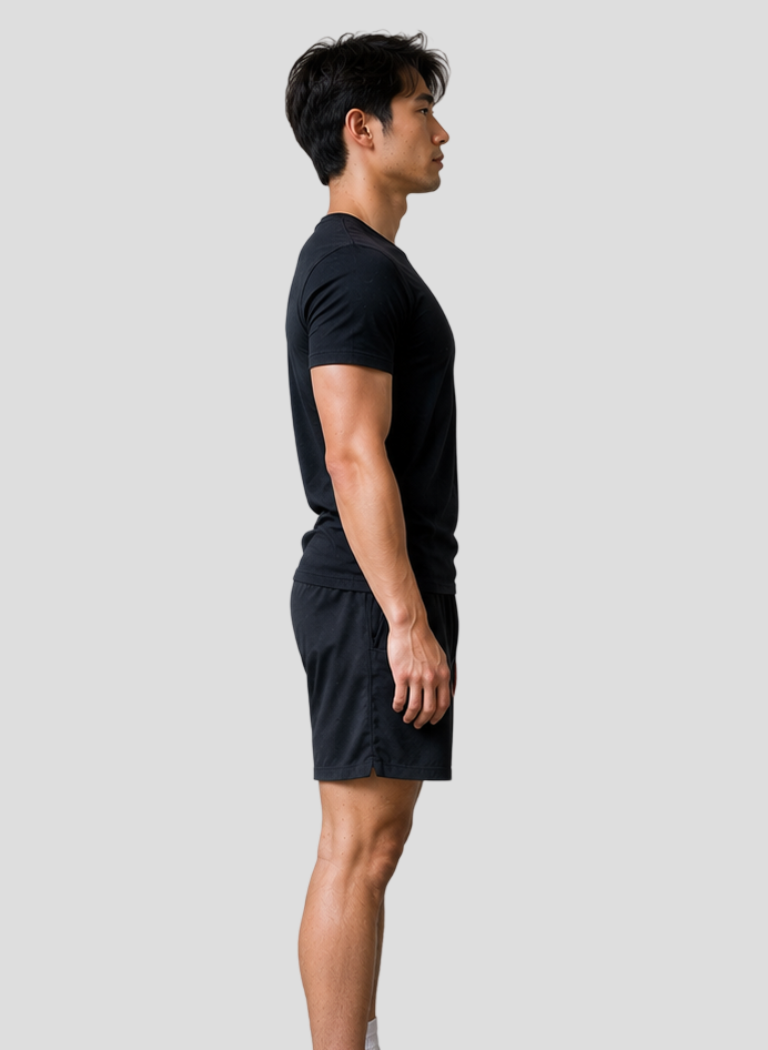
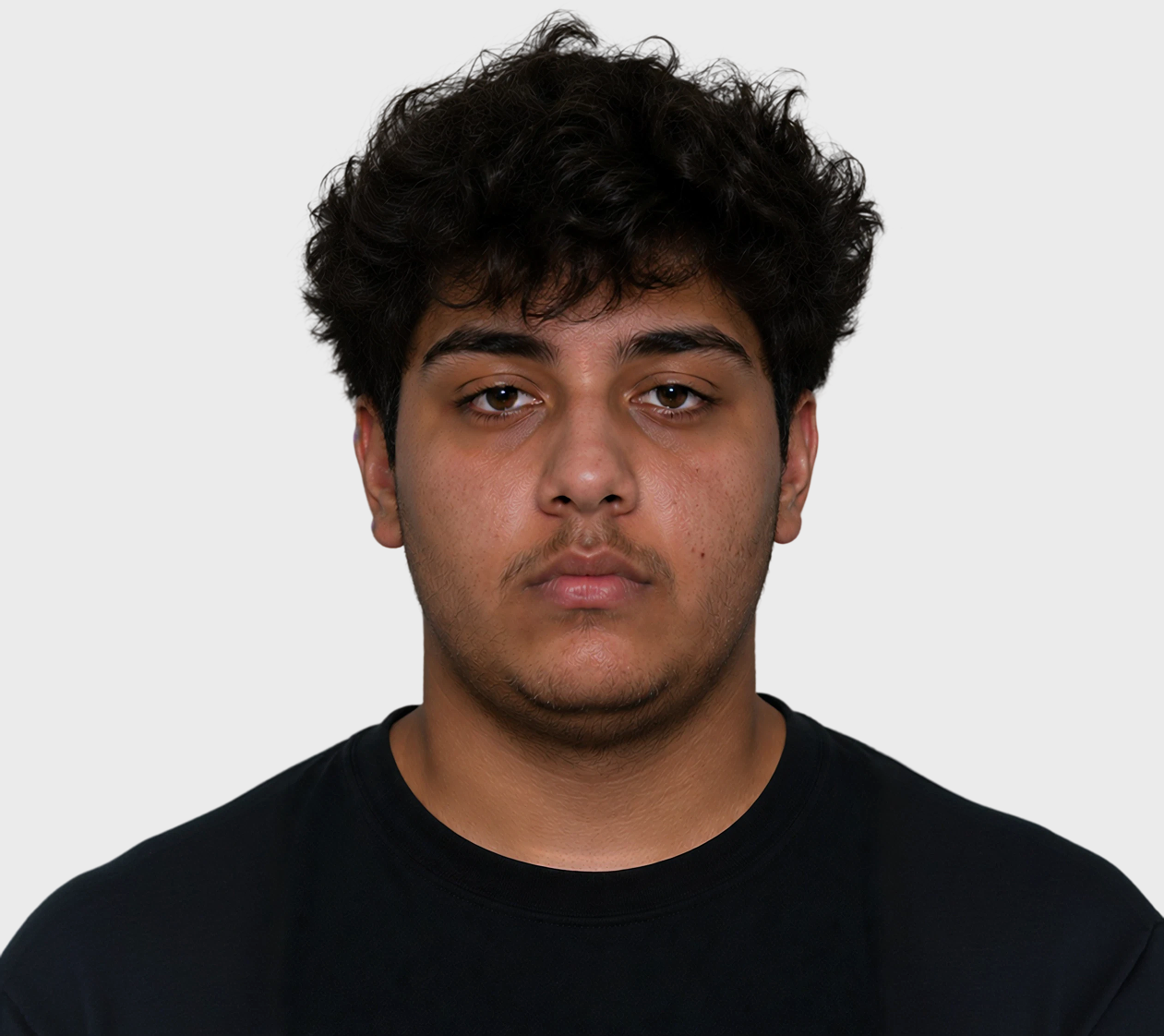
Take front and side photos. Posture scans use four angles. No special equipment needed.
AI analysis of your facial structure, posture, and symmetry. Scored against real measurements. Tracked over time. Built for people serious about self-improvement.
 Before After

 Before After
Four steps. Measurable results.
Take front and side photos. Posture scans use four angles. No special equipment needed.
AI scores five facial metrics and five posture metrics against gender-calibrated ideal measurements.
Every scan is stored. Watch your scores change week over week with longitudinal charts.
Get targeted recommendations, build daily habits, and let the AI Coach guide your progress.
Every category below is grounded in peer-reviewed research. The body broadcasts measurable signals — these are the ones that move the needle.
Upright posture is consistently associated with greater confidence and leadership perception.
Carney, D. R., Cuddy, A. J. C., & Yap, A. J. (2010). Psychological Science.
People form lasting first impressions from facial appearance within milliseconds.
Todorov, A., Pakrashi, M., & Oosterhof, N. N. (2009). Psychological Science.
Facial expression and muscular tension strongly influence emotional perception and trust judgments.
Oosterhof, N. N., & Todorov, A. (2008). PNAS.
Distinctive facial structure increases memorability and recognition accuracy.
Light, L. L., Kayra-Stuart, F., & Hollander, S. (1979). Journal of Experimental Psychology.
Sleep-deprived individuals are perceived as less healthy, less attractive, and more fatigued.
Sundelin, T., et al. (2013). Sleep.
Facial symmetry is consistently associated with perceived attractiveness and health.
Rhodes, G., et al. (1998). Psychonomic Bulletin & Review.
Skin homogeneity strongly influences perceived health and age estimation.
Fink, B., et al. (2001). International Journal of Cosmetic Science.
Eye-region fatigue significantly affects perceived alertness and attractiveness.
Axelsson, J., et al. (2010). BMJ.
Chronic stress accelerates visible ageing and negatively impacts skin health.
Epel, E. S., et al. (2004). PNAS.
Facial adiposity strongly influences perceived attractiveness and health.
Coetzee, V., et al. (2009). Evolution and Human Behavior.
Skin hydration significantly affects elasticity, texture, and visual appearance.
Rawlings, A. V., & Harding, C. R. (2004). Dermatologic Therapy.
Forward head posture increases cervical spine strain and musculoskeletal dysfunction.
Nejati, P., et al. (2015). Journal of Physical Therapy Science.
Regular exercise improves perceived vitality and physical appearance.
Fox, K. R. (1999). Public Health Nutrition.
Posture influences confidence, mood, and behavioural self-perception.
Riskind, J. H., & Gotay, C. C. (1982). Journal of Personality and Social Psychology.
Sleep restriction impairs focus, reaction time, and cognitive output.
Van Dongen, H. P. A., et al. (2003). Sleep.
Physical fitness correlates with increased self-esteem and social confidence.
Sonstroem, R. J., & Morgan, W. P. (1989). Medicine & Science in Sports & Exercise.
Recovery quality directly affects visible fatigue and facial appearance.
Sundelin, T., et al. (2017). Royal Society Open Science.
Inflammation contributes to facial puffiness and perceived fatigue.
Slavich, G. M., & Irwin, M. R. (2014). Psychological Bulletin.
Sleep plays a major role in overnight skin barrier recovery and repair.
Oyetakin-White, P., et al. (2015). Clinical and Experimental Dermatology.
Fatigue alters posture, expression, and social perception.
Shahid, A., et al. (2010). Journal of Psychosomatic Research.
Daily behaviours compound into long-term visible physiological changes.
Lally, P., et al. (2010). European Journal of Social Psychology.
Small repeated behaviours create measurable long-term outcomes.
Kaushal, N., & Rhodes, R. E. (2015). British Journal of Health Psychology.
Grooming and presentation significantly affect social judgments and competence perception.
Cash, T. F., et al. (1989). Journal of Applied Social Psychology.
Lifestyle and environment significantly influence visible ageing markers.
Vierkötter, A., et al. (2010). Journal of Investigative Dermatology.
Capture, understand, recommend, track. The same loop runs every scan — and the deltas compound.
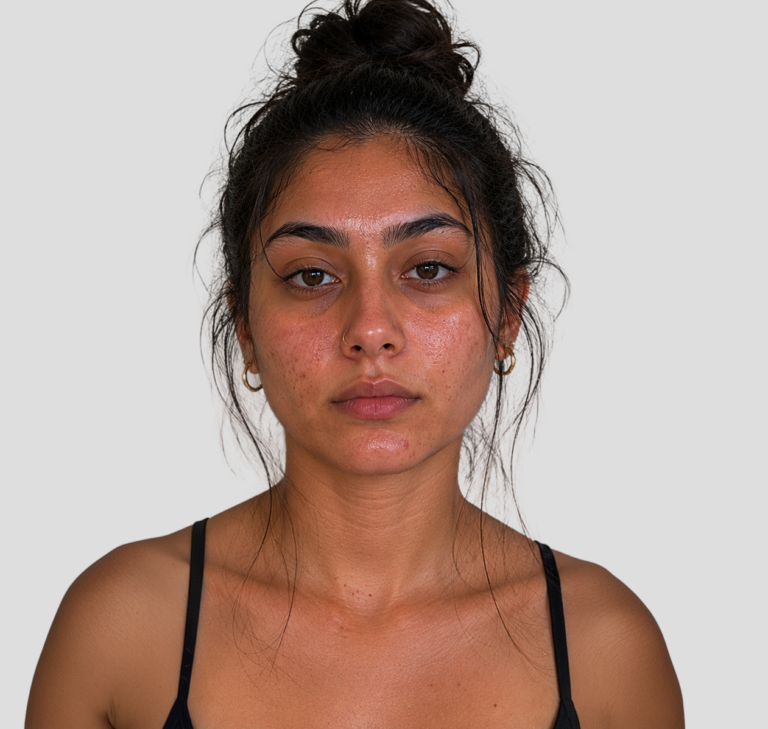

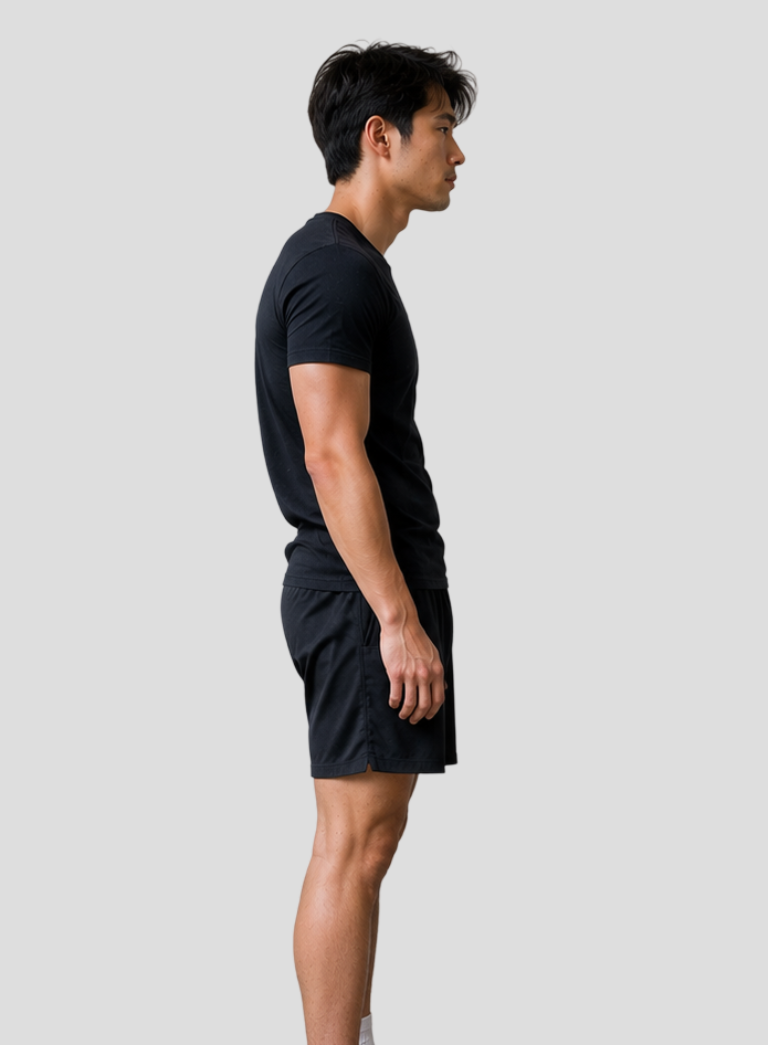
Capture measurable structural data and identify key appearance markers.
Understand how structure, symmetry, and fatigue affect perception.
Receive personalised recommendations based on measurable patterns.
Track visible improvement across recovery, behaviour, and time.
Twelve weeks of consistent scans. Real change — tracked, scored, and never guessed.

Same calibration. Same conditions. Real deltas.
Every score is anchored to anatomy, calibrated against your demographic, and rated for image quality before it ships. No vibes, no filters.
Every score traces back to a real measurement — gonial angle, canthal tilt, ribcage position, pelvic alignment. No "approachability" sliders.
Male and female ideals are scored against different anatomical targets. The same jawline reads differently across genders — the score reflects that, instead of pretending it doesn't.
A 38-year-old isn't scored against a 22-year-old. Four age brackets adjust the expected ranges — your improvement is measured against your cohort, not someone else's.
Every scan is graded for lighting, angle, focus, and obstructions before a score even lands. Low confidence raises a flag — you re-shoot, and the number stays clean and honest.
Every scan is graded twice — once by quality, once by anatomy. The second only runs if the first passes.
Ten objective data points. Scored 0–10. Tracked over time.
VAIM doesn't just score you — it classifies your facial structure into one of eight archetypes, calibrated by gender and age.
Strong jaw, high cheekbones, dominant structure
High symmetry, refined features, balanced proportions
Traditional masculine ratios, reliable scoring across all metrics
Unconventional structure, high visual distinctiveness
Balanced thirds, high symmetry, universally high scoring
Strong features, high canthal tilt, striking asymmetry
Soft features, high eye score, youthful ratios
High distinctiveness, unconventional scoring profile
Deadpan, data-first, no hype. Every answer references your numbers and ends with one clear next action.
Be honest - is my jawline actually changing, or am I just seeing things?
Should I chew more gum to speed up jaw gains?
My friend says I should get filler instead. Faster results, right?
What's the one thing holding my score back?
Every scan is stored. See exactly how your scores have moved and what drove the change.
Every recommendation is tied directly to your scores and the specific deviations from optimal.
Tongue posture correction targets gonial angle deviation. Consistent practice may improve jawline definition over 8–16 weeks.
3 sets of 10 reps daily. Directly addresses forward head position score of 6.1 — the highest-impact posture fix available.
Same lighting, same time of day. Eliminates the primary source of score variance and gives you cleaner longitudinal data.
Track your habits alongside your scans. See what consistency actually does to your scores.
Five facial and five posture data points scored on every scan.
Scored against sex-specific ideal measurements, not a generic baseline.
Temperature-zero AI means you get consistent, repeatable results every time.
Upload your first scan and get your full structural breakdown in under 60 seconds.